
Category: Uncategorized
Reiki for Pregnant Women
Reiki for Pregnant Women
by REIKI RAYS on FEBRUARY 11, 2013
The word” Reiki “combines two Japanese words Rei and ki which essentially means universal life force energy. This healing technique requires a Reiki practitioner to lay his hands on or above the body gently and allows the unseen life force energy flow through the palm of their hands to the recipient. This energy that is guided spiritually flows wherever it is required and helps balance and heal the subtle energies within the recipient’s body. It can be used to treat the whole body efficiently, using a simple, natural, and safe healing technique that has a beneficial effect on your mind, body, emotions, and spirit, bringing health and happiness.
Reiki during Pregnancy
Reiki can be used safely for pregnant women. It does not cause any harm to the mother or her unborn baby, thereby making it safe to be used not only during all stages of pregnancy, but also during conception and child birth.
The body of an expectant mother goes through a lot of changes during pregnancy; the energy balance in her body is under constant pressure, potentially making her “weaker” physically and emotionally. Taking a Reiki treatment during pregnancy helps balance her energies and cleanses body and spirit, helping her relax deeply and react quickly to all body changes and lifestyle. This is highly beneficial in helping her pregnancy to develop in a stable and natural manner.
Of course, you must seek doctor’s attention if you notice anything out of the ordinary.
Benefits of Reiki for Pregnant Women
Eases Physical Discomfort: Reiki healing is effective for relieving physical discomforts often associated to pregnancy. The human hormones associated with pregnancy often cause gastric problems during pregnancy. An energy healing treatment during pregnancy not only helps in relaxing the gastrointestinal walls, thereby reducing the sensation of nausea, but also aids in providing relief from hip, back or ligament pain that is often experienced by pregnant women as their pregnancy progresses. In fact, taking a Reiki treatment during pregnancy can relax you completely, greatly reducing fatigue, anxiety and sleep problems.
 Image by Giåm
Provide Emotional Support: Juggling the demands related to the expectations of families, jobs or relationship with their partner can often make a pregnant woman quite stressed and tired. A Reiki treatment done during pregnancy not only helps an expecting mother stay grounded emotionally, but also instills serenity and peace and calms her fears related to pregnancy and delivery.
Make the Process of Delivery Easier: Reiki treatment given during the time of labor helps reduce pain associated with pelvic and back area to a great extent. This safe and natural treatment not only aids in reducing anxiety of the expectant mother during labor, but also helps create a peaceful and serene atmosphere for the baby. In fact, studies have shown pregnant women who practice Reiki during their pregnancy are less likely to need having a C- section even if they happen to have gone through cesarean surgeries earlier.
Helps in Post Partum Recovery: The body of a pregnant woman tends to undergo tremendous changes after delivery. Reiki treatment given at this point of time can prove to be highly beneficial in healing their physical and emotional levels and maintain their well being during the first few weeks after child birth. Moreover, since the advent of the new baby can cause an emotional upheaval for a new mother, it can help her adjust to the new environment and take care of a baby more easily.
Helps the Baby Stay Healthy and Happy: When a Reiki treatment is given to a pregnant woman, it proves to be highly beneficial in helping build a strong spiritual relationship between the mother and her unborn baby. It helps the unborn baby stay calm and relaxed, but it is also said that sometimes it makes the unborn wriggle happily inside his mother’s womb. In fact, healing sessions that are done during pregnancy generally make the baby easygoing, thereby making it easy for young mothers to take care of their little ones in more easy and simple manner.
How can pregnant women practice Reiki during pregnancy?
For pregnant women to practice Reiki on their own, they of course need to be attuned by a Reiki master. Once attuned, following these simple guidelines listed below can help them go through pregnancy healthy and happily.
Of course, it’s always recommended to follow your intuition and send energy wherever you feel it’s most needed. But here are some recommended hand positions:
- Place one hand on the back and the other hand on sternum
- Place one hand on the base of the spine and the other hand on the base of the neck
- The feet of pregnant women are often strained, so treating them with Reiki can help you feel relaxed and comfortable
- In late pregnancy a woman’ stomach often tends to feel heavy. Place both your hands on the base of both sides of the stomach – this can make you feel very comfortable
- Remember to also give Reiki to the whole body, so that you don’t create imbalances in certain parts.
Reiki is a perfect option for all pregnant women who are looking for a more holistic way for treating both their mind and body. A Reiki treatment strengthens the body, emotions and spirit of a pregnant woman from within, giving her the strength to go through her pregnancy in a happy and healthy manner.
7 Ways to Bring Reiki Into Your Life

7 Ways to Bring Reiki Into Your Life
By Andrew Pacholyk MS L.Ac
Reiki is described as a holistic therapy, which brings about healing on a physical, mental, emotional and spiritual level. The belief is that the energy will flow through the practitioner’s hands whenever the hands are placed on, or held near a potential recipient. Some teachings stress the importance of the practitioner’s intention or presence in this process, while others claim that the energy is drawn by the recipient’s need to activate or enhance the natural healing processes. (I believe both are true). Furthermore, the belief is that the energy is “intelligent”, meaning that the Reiki knows where to heal, even if a practitioner’s hands are not present in the specific area. This is Universal attention.
Learning to work with Reiki gives you the ability to connect with an inexhaustible source of energy, which can be used to induce a healing effect. Anyone can gain access to this energy by means of an attunement process carried out by a Reiki Master. (I personally believe that anyone can gain access to this energy, because it is Universal. No one holds control or a patent to energy).
Consider these suggestions for bringing reiki energy into your life:
Just for today
1. Life unfolds in the present. But so often, we let the present slip away, allowing time to rush past unobserved and unseized, and squandering the precious seconds of our lives as we worry about the future and ruminate about what’s past. “We’re living in a world that contributes in a major way to mental fragmentation, disintegration, distraction, decoherence,” says Buddhist scholar B. Alan Wallace. We’re always doing something, and we allow little time to practice stillness and calm. When we are at work, we fantasize about being on vacation; on vacation, we worry about the work piling up on our desks. We dwell on intrusive memories of the past or fret about what may or may not happen in the future. We don’t appreciate the living present because our “monkey minds,” as Buddhists call them, vault from thought to thought like monkeys swinging from tree to tree.
2. Most of us don’t undertake our thoughts in awareness. Rather, our thoughts control us. “Ordinary thoughts course through our mind like a deafening waterfall,” writes Jon Kabat-Zinn, the biomedical scientist who introduced meditation into mainstream medicine. In order to feel more in control of our minds and our lives, to find the sense of balance that eludes us, we need to step out of this current, to pause, and, as Kabat-Zinn puts it, to “rest in stillness – to stop doing and focus on just being.”
3. We need to live more in the moment. Living in the moment, also called mindfulness, is a state of active, open, intentional attention on the present. When you become mindful, you realize that you are not your thoughts; you become an observer of your thoughts from moment to moment without judging them. Mindfulness involves being with your thoughts as they are, neither grasping at them nor pushing them away. Instead of letting your life go by without living it, you awaken to experience.
4. Cultivating a nonjudgmental awareness of the present bestows a host of benefits. Mindfulness reduces stress, boosts immune functioning, reduces chronic pain, lowers blood pressure, and helps patients cope with cancer. By alleviating stress, spending a few minutes a day actively focusing on living in the moment reduces the risk of heart disease.
5. Mindful people are happier, more exuberant, more empathetic, and more secure. They have higher self-esteem and are more accepting of their own weaknesses. Anchoring awareness in the here and now reduces the kinds of impulsivity and reactivity that underlie depression, binge eating, and attention problems. Mindful people can hear negative feedback without feeling threatened. They fight less with their romantic partners and are more accommodating and less defensive. As a result, mindful couples have more satisfying relationships.
6. Mindfulness is at the root of Buddhism, Taoism, and many Native American traditions, not to mention yoga. It’s why Thoreau went to Walden Pond; it’s what Emerson and Whitman wrote about in their essays and poems. “Everyone agrees it’s important to live in the moment, but the problem is how,” says Ellen Langer, a psychologist at Harvard and author of Mindfulness. “When people are not in the moment, they’re not there to know that they’re not there.” Overriding the distraction reflex and awakening to the present takes intentionality and practice.
7. Living in the moment involves a profound paradox: You can’t pursue it for its benefits. That’s because the expectation of reward launches a future oriented mindset, which subverts the entire process. Instead, you just have to trust that the rewards will come. There are many paths to mindfulness and at the core of each is a paradox. Ironically, letting go of what you want is the only way to get it.
References:
Benor, D.J. (2002) Spiritual Healing: scientific validation of a healing revolution. Professional Supplement. Vision Publications, Southfield MI.
Pacholyk, A (2012) Crystal Ascension Reiki: Combining the Power of Crystals and Reiki Energy Together
Oschman, J.L. (2000) Energy Medicine: the scientific basis. Churchill Livingstone, Edinburgh.
Wallace, Allan, The Attention Revolution: Unlocking the Power of the Focused Mind
Kabat-Zinn, Jon, The Mindfulness Revolution: Leading Psychologists, Scientists, Artists, and Meditatiion Teachers on the Power of Mindfulness in Daily Life (A Shambhala Sun Book)
McTaggart, L. (2002) The Field: the quest for the secret force of the universe. Harper Collins Publishers, New York.
Langer, Ellen, Mindfulness (A Merloyd Lawrence Book) by -Da Capo Press-
Reiki Myths: 3 Common Misconceptions Among Non-Practitioners
There are a some common misconceptions among non-practitioners who hear about Reiki, but don’t have time or interest to go deeper. Or even sometimes (rarely though) among practitioners who are just getting into the Reiki training. Here are a few of them:
1. Healers are using their own energy to heal the patient
This is not correct. A healer is but a channel through which the healing energy flows. The source of the energy is the God, or Allah, or the Universe, the Creator, or as some call ”the Source” (capital S) – or whatever you choose to call it. Once attuned, healers become capable of channeling Reiki energy.
2. Mikao Usui was a Medical Doctor
Dr. Mikao Usui was actually not a physician. He might have been a Dr. in literature, according to some sources, or he may not have had any doctorate title at all, according to other sources – and the Dr. title would come from the best translation Mrs Takata could find for “sensei”.
To make for even more confusion  , “sensei” in Japanese is a term that applies to “medical doctors” in addition to the more widely-used sense (of e.g. teacher, or someone senior with experience and knowledge).
3. Reiki only works if you believe in it
Some people seem to think that Reiki is some sort of placebo effect, which only works if you believe it works. This is also not correct. Reiki will work regardless of whether you believe it or not, as long as you don’t artificially block it, by resisting the flow or refusing treatment.

Image by Moyan_Brenn
Reiki is not placebo, it is real healing energy flowing through our bodies, as many practitioners have experienced.
Bonus Myth: Watches, jewelry, and other metal objects are blocking the flow of Reiki
Some think that healers and patients should not wear metal objects such as watches, necklaces, and other jewelry, because it supposedly blocks the flow of energy.
Again this is incorrect, Reiki has been experienced and proven to work and “pass through” not only metal objects placed closed to the body, such as jewelry, but also through walls, through mountains, across oceans, even across the entire planet – distance healing sessions are a very common practice in Reiki.
Reiki (Ray-key):
Reiki (Ray-key):
What is Reiki? Translated from Japanese as the Universal Life Force Energy.
Rei meaning: Spiritual Wisdom, and Ki meaning: the Life Force.
Our whole world is composed of particles that vibrate. Reiki masters are energy healers who use these vibrations to heal individuals who feel suffering, emotionally or physically in affected areas.
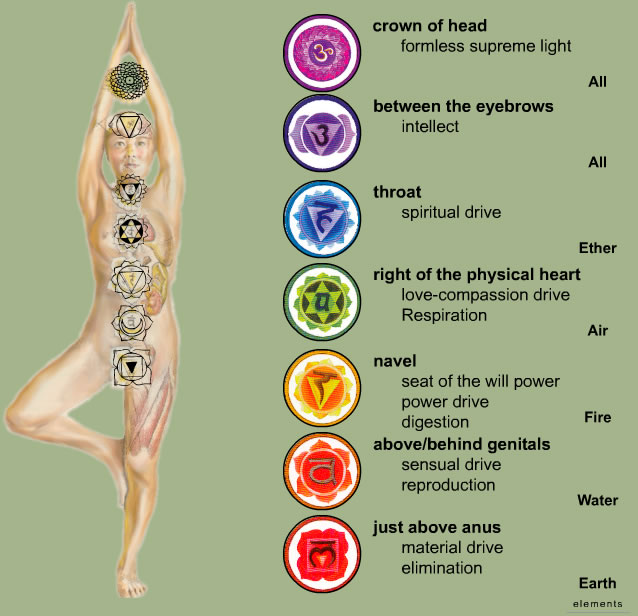
The 7 Chakras
The 7 Chakras are the energy centers in our body in which energy flows through: Root Chakra (Base of spine in tailbone area), Sacral Chakra (Lower abdomen, about 2 inches below the navel and 2 inches in), Solar Plexus Chakra (Upper abdomen in the stomach area), Heart Chakra (Center of chest just above heart), Throat Chakra (Throat), Third Eye Chakra (Forehead between the eyes), Crown Chakra (The very top of the head).
Reiki Benefits

Making Reiki Real
Making Reiki Real
By Kathie Lipinski
As a Reiki Master-Teacher, I have been working with Reiki energy for nine years and am always amazed at the questions people ask about Reiki, their perceptions and misconceptions of what it is, what it does, and how it works. In this article I would like to share with you what I believe about Reiki.
I believe that there is an invisible life force that surrounds and permeates all living things. This universal life force energy animates all living things, gives order to our world, and is the underlying creative intelligence of the universe. The Japanese know it as Ki, the Chinese refer to it as Chi, in Sanskrit it is referred to as Prana, and in Hawaiian is called Ti or Ki. It has also been called bioplasma, orgone and odic force.
Reiki (pronounced RAY-key) is a high vibrational form of this universal life force energy similar to light energy. It is also a precise method for connecting to the universal life force energy for healing as well as managing every day life.
Reiki is spiritually guided life force energy. This means that it has a higher intelligence, knows what the person needs, and is guided by the Higher power or Higher self of the person. A person receiving a Reiki treatment gets what they need at the time. It brings the highest healing for all concerned and this is where many people get confused about Reiki.
Reiki is a balancing energy. What is in excess, Reiki lessens (like pain). What is lacking, Reiki increases and fills. So one can say that Reiki restores and balances one’s physical, mental, and emotional energies. It puts one’s physical body in the best condition to promote healing. When people are anxious, Reiki relaxes them. When they are in pain, Reiki can reduce or eliminate it. When people are emotionally upset, Reiki can calm them and balance their emotions so that they can see their situation and problems more clearly.
One of the misconceptions about Reiki is that many people think that one session will cure their disease, eliminate their problems, or calm anxieties forever. In reality, Reiki is not a one shot deal. People don’t get the way they are in one day. There has been a lifetime of bad habits, fearful or anxious thoughts, poor eating habits, etc. Like any chronic disease or condition, it takes time and many treatments to bring the body back to balance. And this is the major reason that Reiki practitioners encourage their clients to take Reiki training so that they can give themselves (as well as friends and family) every day.
(Note: I have seen cases where one treatment was enough to unblock the blockage; change the person’s life; heal the unhealable, etc. I believe that these people had a spontaneous healing because they were ready, had the right frame of mind, and were willing to do the work necessary for their own healing.)
The other misconception is that a Reiki practitioner will “fix” me. A Reiki practitioner acts only as a channel to bring this universal energy to a person. It is the person who is responsible for their own healing. A skilled Reiki practitioner can facilitate healing and guide you through the process, but if you don’t do your human homework (get counseling, change eating behaviors, change negative thinking, change the way you treat people, get out of a relationship, etc.) you may not see the changes you desire.
The reason that Reiki works is that it connects the universal life force energy with the body’s innate (inborn) powers of healing. Reiki also induces the relaxation response and puts the body in the best condition for healing. And we know that it is the body that eventually heals itself. The body’s innate intelligence regulates the amount of Reiki that one receives and where it goes so one cannot give or receive too much Reiki.
Reiki speeds up the process of healing and can be used in conjunction with many medical technologies, and therapies, as well as psychological counseling, to bring about healing. It is not a substitute for medical care. Reiki is not a religion; it is a way to focus energy as well as an energy source that one may tap into. Reiki energy can be used for physical problems, mental or emotional conditions, and for sending healing to those at a distance (this is taught in Second degree Reiki.) Reiki is much like prayer. You focus on the person that you want to send healing to, bring in Reiki energy, and “send” it across time and space.
The best part of Reiki is that it is not just about healing others; it is about healing yourself. And we all know that we need to take care of ourselves and heal ourselves before we can truly help others. A person can use Reiki every day (or several times a day) to help heal situations, physical problems, emotional problems, calm anxiety, send blessings, give thanks, etc.
Reiki is for real people. You don’t have to be spiritually evolved or the most intelligent person. Anyone can go through the training and work with the energy of Reiki. My children have had Reiki since they were four and seven years of age (children are pure channels and work easily with Reiki energy.) My husband is also a Reiki practitioner and we give each other Reiki whenever we can.
Reiki is a wonderful gift that families can learn. Those that are taking care of loved ones who have cancer, AIDS, or any serious or terminal condition can bring the healing energy of Reiki to them every day. They can also bring it to themselves to keep up their strength during this difficult time. Reiki has been known to make the transition to spirit easier for all concerned. Reiki can also be used to treat burns, headaches, clean out a person’s body before and after surgery, chemotherapy treatment, and help heal any aspect of their lives.
Reiki is a natural hands on healing art and is our birthright as human beings. We are all like houses wired for electricity. The Reiki training is the light switch that turns on the ability to channel this energy for ourselves or others. And it doesn’t take years of training. Once you are “initiated” or “empowered” by the Reiki Master Teacher, you can begin working with the Reiki energy immediately. The teacher provides you with basic information about Reiki, “turns on” the switch (ability) and teaches you the basic hand positions; but it is working with the energy that teaches you the most about Reiki.
Reiki is usually taught in three or four degrees (levels). Each degree builds upon the other and increases one’s ability to hold and channel this life force energy. Reiki has been known to change people’s lives, increase creativity, and put one on their true path. It gives each person exactly what they need at the time.
And that is what Reiki is all about: trusting in divine order; trusting in the process of healing and trusting that you will receive exactly what you need at just the right time. Reiki is a hands on healing system as well as an energy source that restores balance and promotes healing on all levels; physical, mental and emotional. It always bring you your highest good.
Why not contact a Reiki practitioner in your area for a Reiki session and find out what its all about for yourself. Then you can experience what Reiki really is.
Kathie Lipinski, RN, MSN, and RMT, teaches Reiki and has a private practice in Long Island, NY where she uses Reiki, various energy–based healing techniques, intuitive counseling, craniosacral sessions, and guided imagery to help individuals identify and heal imbalances in their lives.
Please Note: Reiki is meant to be used as a complement to traditional care or as a personal relaxation or stress reducing tool. It is not a substitute for qualified medical or traditional care.
This article is reprinted from The Reiki Times. ©2004. International Association of Reiki Professionals LLC. All rights reserved.
The Guest House by Rumi
The Guest House
by Rumi
This being human is a guest house.
Every morning a new arrival.
A joy, a depression, a meanness,
some momentary awareness comes
as an unexpected visitor.
Welcome and entertain them all!
Even if they’re a crowd of sorrows,
who violently sweep your house
empty of its furniture,
still, treat each guest honorably.
He may be clearing you out
for some new delight.
The dark thought, the shame, the malice,
meet them at the door laughing,
and invite them in.
Be grateful for whoever comes,
because each has been sent
as a guide from beyond.

10 Basic Things a for Healer to Remember
10 Basic Things a for Healer to Remember
OM Times Magazine | October 9, 2009
by Alison Kain

1. A healer should never forget that they are a vessel/channel and nothing else; the healer does not determine the outcome of a healing, the client and Spirit do. If a body is not willing to accept the healing, no healing shall occur. If a body does heal, then you can sincerely reassure the person receiving the treatment that it is their own desire to heal in conjunction with Spirit’s energy and the cellular reactivation of their “internal healer” which has been initiated which does the main portion of the healing process. ***This keeps you (the healer) at once both humble and grateful in the face of what transpires, while also providing you with the freedom and honor to witness miracles at work, whether that be the miracle of the body or any other context you wish to ascribe by your own definition of “miracle”.
2. All people and all bodies are different therefore what technique or position works best on one may not be the most effective for another.
3. Energy, arguably, while having a “mind of its own” does not always most efficiently redirect itself to the root or core of an issue. Energy will merely go where the body is most needful, therefore the practitioner should have knowledge and an intuitive understanding of how to redirect energy and why. If you do not get to the root or cause of an illness with energetic sessions this may be because you are not being shown the whole picture and thus may require several sessions in order to wholly address the client’s complaint.
4. You are being allowed a sacred position by a person who agrees to let you be the channel for their energy work; this means that everything which transpires in each session with each individual should receive the utmost respect and privacy is honored as if the client were opting for a western medical treatment.
5. Every single body possesses a wisdom which therefore can tell you a tale if you know how to “listen”; ask questions when appropriate and work to develop both your knowledge and your intuition to build your skills as a “channel” for the energy which passes through you. An open mind can be as imperative as an open heart to strengthen your channel for healing energies.
6. Some people are more naturally sensitive to energy than others. This is not a determining factor on whether the client will receive healing or not. Some will report a great success in terms of relief of symptoms or a lessening of their issues after a span of time has passed.
7. Many people have allergies and sensitivities. Please be thoughtful and inquire as to whether any specific scents tend to create an issue for someone. (e.g. Often individuals receiving chemotherapy become very easily nauseated by scent so unscented products are usually your best bet for the first session until the recipient can assure you they are not experiencing any atypical sensitivity to any odors.)
8. Judge not any who have emotional releases while receiving a treatment. Receiving intense energetic sessions may trigger deep unforeseen and unanticipated releases which are imperative to the rebalancing process. Please be kind enough to allay any concern or embarrassment which a client experiences by helping them to understand what is happening to them and why.
9. Proper intake procedures are as important in an energy session as they are in any other healing practice; if someone reports an issue to you, you can be sure you are meant to heed it. (e.g. Some souls cannot endure touch either because of physical pain or because they are uncomfortable with touch of strangers. Please honor this even while you open yourself to intuit ways in which to help the client to overcome this potential challenge.)
10. “After Care” is as important as the treatment. Clearly defined “rules” are best provided to the client prior to a session already on paper so that they can refer back to the sheet in case of question. If some may experience a toxin release but you have not explained it thoroughly, or completed the follow-up too soon following a treatment where the person may not be fully mentally “present” yet (back in their body wholly), then you may accidentally create needless worry, upset, fear and confusion for them should they experience toxin releases. Please create a document which clearly outlines the after care instructions to help ease your client’s mind and processing as well as helping to avoid any possible issues which generate the need of the participant to follow-up with you via phone calls or to make unwarranted accusations against you later. (e.g. Upon completion of some energetic sessions a client may experience a brief bout of diarrhea which is simply a blocked chakras way of removing the toxic build up if dealing with either the sacral or the solar plexus blockages. An explanation well-made in advance can allay worries that this person is suffering unduly since this period generally lasts only 24 hours or less, though there are exceptions to this rule.)
Lastly, though not a “rule” per se, it is important to recognize that no one modality of practice (regardless of how wildly successful) is the “one answer” to healing. We are not a “one size fits all” society and therefore cannot deign to make holistic and complementary medicine the same. If a client has cancer you may work with them, but complementary medicine by title itself represents the core element of being an augment to an existing practice which is usually western in nature. Despite whatever beliefs you may hold, you are not the one who is doing the actual healing, the client is. You, therefore, have no right to dismiss, disparage or work to change another’s beliefs or regimens as they pertain to additional methods of treatments; this is a highly irresponsible and ill-afforded practice which actually narrows the potential successful treatment and/or cure for a client. An energy healer cannot say for certain that what modality being opted to practice by them is “the” answer to all issues and illnesses or dis-eases any more than can a gynecologist effectively treat a sore throat, liver cancer or brain tumors.
Source: OM Times Magazine (http://s.tt/15CF8)
Can Reiki Help Your Chronic Pain?
This ancient Japanese touch therapy similar to massage has shown real results for managing chronic pain.
The practice of Reiki sounds almost too good to be true. By “laying on hands” on specific parts of your body or even just positioning hands slightly above your body, a qualified Reiki practitioner can help bring relief to your chronic pain and make you feel better than you have in years. It is an ancient Japanese technique and a form of alternative medicine also sometimes referred to as a “biofield” therapy.
In alternative medicine, Reiki is a treatment in which healing energy is channeled from the practitioner to the patient to enhance energy and reduce stress, pain, and fatigue. Practitioners say that it works by opening up a channel between healer and patient to transfer energy — a Reiki healer restores the body both physically and mentally.
During a Reiki session, muscles are relaxed, and energy flow is unblocked. This helps reduce physical tension and pain. Anxiety and stress also are reduced, helping to unblock and release emotional pain. Although you may not be completely pain-free, you feel relaxed, refreshed, and better able to cope with your condition.
Reiki and Chronic Pain: What the Research Shows
Though Reiki may sound very “new-agey,” the effectiveness of this ancient treatment has been shown in some studies. “A [recent] issue of the International Journal of Behavioral Medicine reviewed 66 clinical trials on biofield therapies,” says Julie Kusiak, MA, a Reiki practitioner in the integrative medicine department at Beaumont Hospital in Royal Oak, Mich. The authors of the review concluded that there was strong evidence that biofield therapies help reduce the intensity of pain in general and moderate evidence that these therapies help reduce the intensity of pain for people who are hospitalized or who have cancer, Kusiak says.
In addition, Kusiak says, a separate review article of 24 studies also showed that touch therapies were successful in reducing pain. This review article noted that the studies involving Reiki therapy seemed to have the most success.
When Reiki is examined for its impact on more specific types of pain, the results seem to hold up equally well. “Recent studies on Reiki therapy reflect a broad spectrum of its benefit for pain relief,” says Kusiak. “During colonoscopy, Reiki treatment resulted in decreased anxiety and pain. With abdominal hysterectomies, the women who had Reiki therapy both before and after their procedures experienced lower anxiety and pain. Cancer patients being treated with Reiki reported lower fatigue, less pain, less anxiety, and better quality of life. And in a community of older adults, those who received Reiki therapy were documented to have reduced pain, anxiety, and depression.”
Another plus about Reiki, adds Kusiak, is that it seems to be effective with very few side effects. “No serious side effects or risks have been identified in the medical literature on Reiki, and it is considered to be a very low-risk intervention,” she says. “Since Reiki is facilitated either with a very light touch or with no touch — slightly off the body — it provides a therapeutic option for those who are in pain or unable to be touched.”
Finding a Reiki Practitioner for Chronic Pain
If you’re interested in finding a qualified practitioner of this alternative medicine, you can start by looking at Web sites such as The International Center for Reiki Training and Reiki Masters. However, Kusiak points out that standardization of the practice of Reiki is lacking in the United States, so your best bet might be to get a good reference and do some research on potential practitioners that you might be interested in.
“National standards are lacking for Reiki and other biofield therapies, so a key factor to consider would be the practitioner’s level of experience and training,” she says. “Ask them if they have an understanding of and experience treating your particular health concern. With serious medical concerns, you may need a practitioner who is affiliated with an integrative medicine program. Finally, as with any therapy, one needs to feel comfortable with the practitioner.”
Last Updated: 07/19/2011
 Reiki Is Love